General Contractor: Your Ideal Contractor for Home Improvements
A general contractor assumes a essential role in home projects. They direct various aspects of construction, confirming that processes function flawlessly. Their expertise with construction codes and compliance requirements enables them to navigate the complexities of licensing and evaluations. This experienced professional functions as a key link between homeowners and subcontractors. However, many homeowners remain unsure about the total scope of their work. Knowing these facts can have significant bearing on the success of any renovation project endeavor.
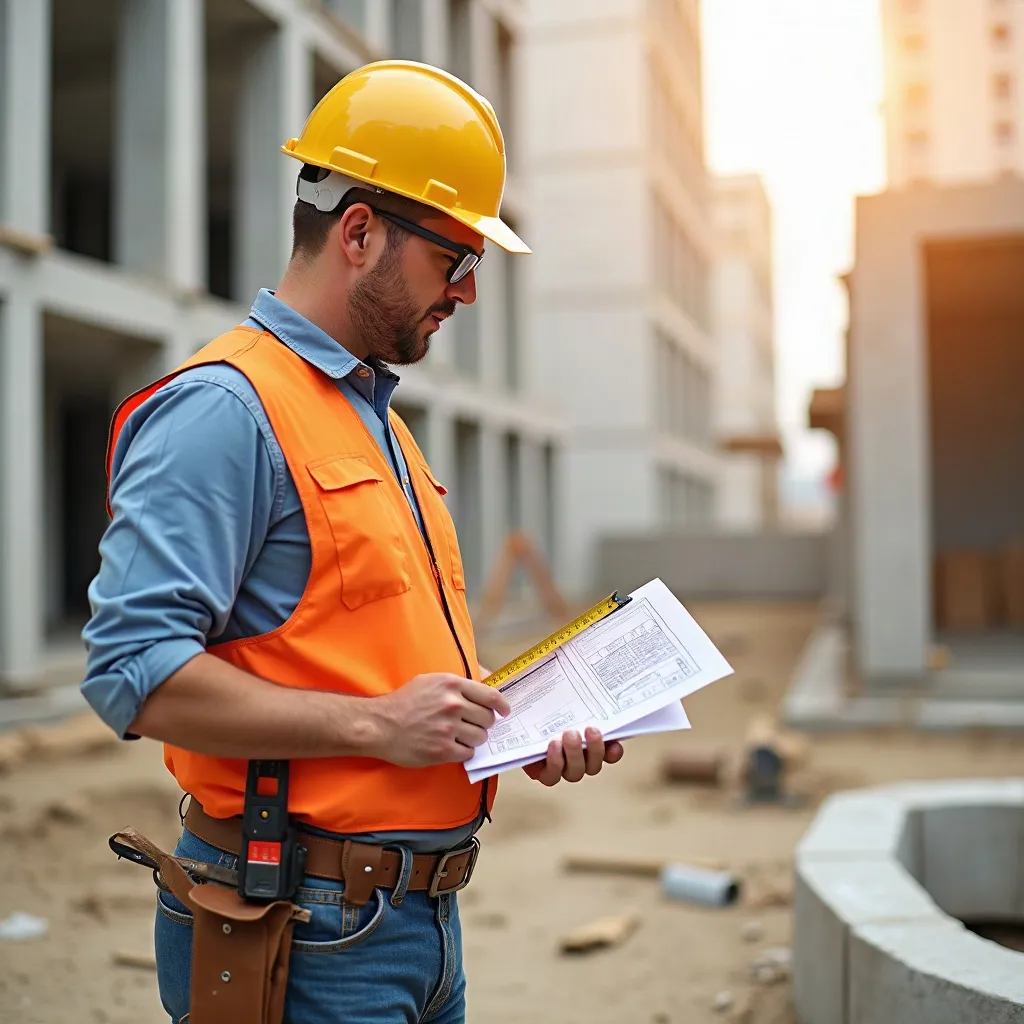
What Does a General Contractor Perform?
A construction leader directs the assorted components of a construction project, ensuring that processes proceed efficiently from commencement to conclusion. They serve as the leading contact point, managing exchanges between project principals, independent contractors, and material sources. This role entails designing the execution plan, mobilizing labor, and ensuring observance with local building codes and regulations.
General contractors are responsible for obtaining necessary permits and scheduling inspections, which are vital for maintaining safety and quality standards. They also manage budgeting, sourcing materials, and managing on-site activities to mitigate any potential delays or issues. In addition, they supervise subcontractors, ensuring that each phase of construction aligns with project specifications and timelines. Overall, a general contractor's knowledge and management abilities are essential to delivering a successful construction project, transforming a client's vision into reality while managing multiple duties and obligations.
Benefits of Retaining a General Contractor for Home Improvements
Retaining a a general contractor for residential upgrades provides countless advantages that can substantially enhance the quality and efficiency of the project. General contractors bring specialized knowledge in managing projects, ensuring that schedules are kept and resources are allocated effectively. Their established connections with subcontractors can generate better rates and superior workmanship, which finally benefits homeowners regarding both time and money.
Furthermore, project managers address the complex elements of approvals and reviews, limiting conceivable compliance concerns. They also supply a single point of contact, simplifying communication and coordination among multiple specialists. This consolidation lowers the probability of errors and postponements.
In addition, their proficiency empowers them to foresee potential challenges, allowing timely interventions to keep the project on track. By contracting a general contractor, homeowners can devote attention to their vision while savoring peace of mind, confident that a professional is directing every aspect of the renovation.
Refuting Common Myths About General Contractors
While numerous property owners may believe false notions about general contractors, understanding the realities can result in more informed decisions. One common myth is that hiring a contractor is not required for small projects; nevertheless, their know-how can streamline even small-scale renovations, guaranteeing compliance with local codes. Another common belief is that contractors are merely middlemen, but they frequently have in-depth knowledge in several disciplines, enabling them to coordinate projects efficiently. Additionally, some homeowners believe that working with a contractor will significantly inflate costs. In fact, a skilled contractor can often negotiate better costs for materials and labor due to solid relationships with vendors and subcontractors. Lastly, many consider that general contractors are inflexible, but dependable contractors value client communication and collaborate closely to address unique needs. Resolved myths can empower homeowners to capitalize on the true value of contractors in achieving productive home projects.
Identifying the Most Suitable General Contractor?
How can homeowners guarantee they choose the right general contractor for their assignments? The process starts with thorough research. Homeowners should obtain recommendations from friends, family, or online reviews to identify qualified contractors. Once a compilation is compiled, confirming credentials, such as licensing, insurance, and bonding, is crucial to verify credibility.
Next, property owners should ask for and examine collections of past projects, concentrating on projects similar in scope. Scheduling meetings allows homeowners to assess fit, covering schedules, costs, and requirements. It's also recommended to get several estimates for evaluation, providing a clear understanding of costs.
Verifying references offers understanding of a contractor's dependability and expertise. Ultimately, trusting one's instincts is essential; an initial meeting can uncover a contractor's way of communicating and methodology. By following these steps, homeowners can substantially improve their likelihood of picking a general contractor who suits their requirements and aspirations.
Best Interaction Solutions When Working With Your General Contractor
How can homeowners utilize methods to ensure productive dialogue with their general contractor? Initiating transparent communication from the beginning is critical. Homeowners must explicitly state their needs, project aims, and spending restrictions during first discussions. Frequent updates can be enabled through arranged gatherings, making certain that both parties stay aligned throughout the project.
Using written documentation, such as email correspondence and project documentation, helps strengthen spoken commitments and minimizes misunderstandings. Homeowners should also promote transparent communication by soliciting input and inquiries from the contractor, creating a cooperative atmosphere.
Moreover, utilizing technology, such as project management apps, can discover this streamline communication by offering a unified system for exchanging information, timelines, and changes. Finally, being respectful and accessible can enhance rapport, making it easier for the contractor to communicate challenges or suggestions effectively. By implementing these strategies, homeowners can develop a productive and open partnership with their general contractor.
What to Prepare For When Your Undertaking Begins?
As the project launches, homeowners can expect a flurry of work on-site. The general contractor will coordinate groups of experienced professionals, including electricians, plumbers, and carpenters, who will start their work following the predetermined schedule. Homeowners may notice heavy machinery and materials being delivered, creating a lively environment.
Remaining in communication is essential during this period. The contractor will deliver updates on how things are progressing and address any concerns that surface. Homeowners should ready themselves for potential disturbances, such as noise and limited access to certain areas of the home.
Safety precautions will be in place to shield both workers and residents, ensuring a secure atmosphere. Additionally, homeowners may be encouraged to keep flexibility, as unforeseen issues can arise, demanding adjustments to the original plan. Overall, this initial phase establishes the foundation for the successful completion of the project, and active engagement is essential.
Important Questions for Your General Contractor Deal?
Deciding which queries to raise when completing a general contractor agreement is vital for ensuring a efficient project. Homeowners should check about the contractor's permit and coverage to verify their credentials and protection against legal exposure. Understanding the project timeline and goals is key; therefore, asking about projected completion dates helps set expectations.
It is also necessary to communicate payment terms, like deposit amounts and payment plans, to ward off misconceptions. Homeowners should secure a detailed breakdown of outlays, highlighting materials and skilled work, to copyright transparency. In addition, engaging in discussion about the process for handling changes or surprise difficulties can avert disagreements later.
In conclusion, property owners must research information about subcontractors and their qualifications, as well as the contractor's communication approach throughout the project. By considering these questions, homeowners can establish a productive relationship with their general contractor, ultimately leading to a successful construction project.
Common Questions Asked Often
What Methods Do General Contractors Use to Charge for Their Services?
General contractors typically charge through set prices, hourly rates, or a percentage of the total project cost. Their pricing may also include supplies, work, and operational expenses, depending on the project's complexity and scope.
Can a General Contractor Help With Permits and Inspections?
Yes, a general contractor can assist with obtaining permits and managing inspections. They typically navigate local codes and maintain regulatory adherence, streamlining the process for homeowners while facilitating necessary authorizations throughout the building endeavor.
What Attributes Should I Hunt for in a General Contractor?
When identifying a general contractor, one should examine qualifications such as appropriate licensing, insurance, experience in relevant projects, quality references, and effective communication skills, ensuring they possess the necessary expertise to manage the project in a successful manner.
How much time Does a Standard Home Remodeling Project Require?
A standard home remodeling undertaking can require anywhere from a few weeks to several months, depending on the scope, intricacy, and size of the project, as well as the accessibility of materials and labor.
What Occurs if My Assignment Surpasses Budget?
If a project exceeds the budget, the builder usually talks through the reasons and options with the homeowner. Adjustments may include scaling back, seeking additional funding, or revising the project scope to align with budget constraints.